
By Olivia Herken – Originally published on Jun 25, 2026
The average cost of childcare in Wisconsin has continued to climb, according to a new report, as parents, providers and officials worry the affordability crisis will only worsen when state funding expires at the end of June.
The Department of Children and Families on Thursday released its annual Child Care Market Survey, which showed infant childcare for the median urban household in Wisconsin costs $1,587 a month, and $978 a month for the median rural household. Those costs are up nearly 10% for urban households and roughly 5% for rural households since last year’s survey.
This latest data comes as officials brace for the end of state funding that providers and advocates say has been stabilizing the childcare industry since the start of the COVID-19 pandemic. That funding program, originally known as Child Care Counts and now known as the Child Care Bridge Payments, has been scaled back in dollar amounts over the years and will expire at the end of June.
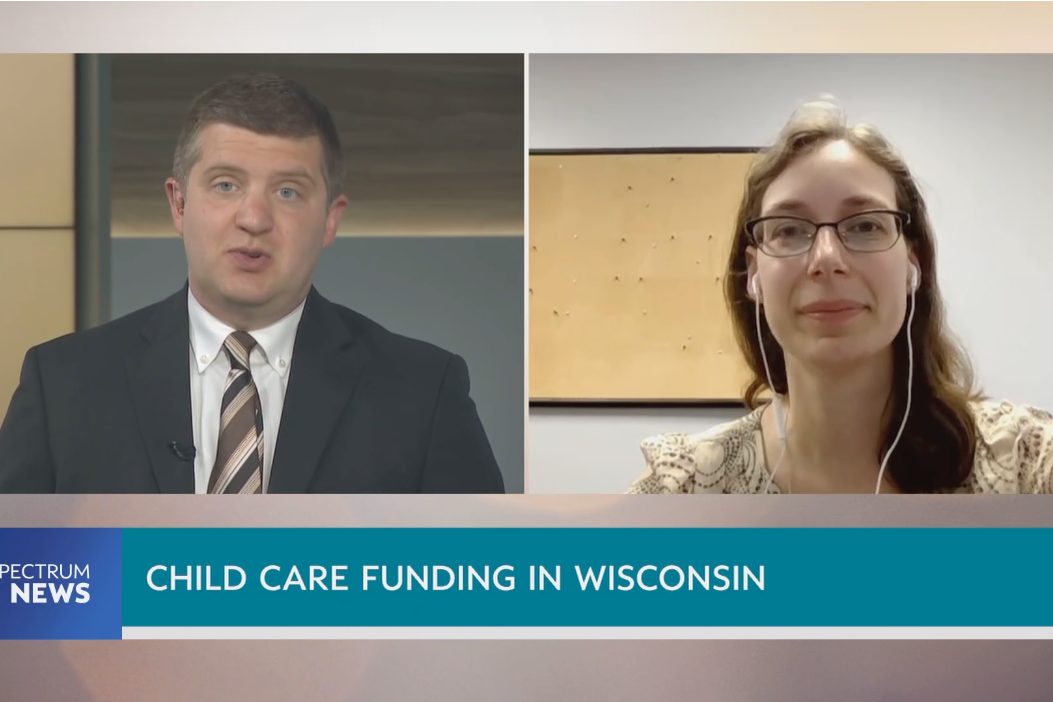
Ruth Schmidt, executive director of the Wisconsin Early Childhood Association, said the new report confirms advocates’ worries that as state investments disappear, childcare will become more expensive.
“When you look at the likelihood of tuition increases, I think it’s less a question of will programs be raising their rates. I think it’s more a question of how high will they,” Schmidt said. She said the association is anticipating that childcare rates could increase between $10 to $50 a week, depending on where you live.
“These are huge increases, and they’re going to be communicated to parents who already cannot afford care,” she said.
The Department of Children and Families said in its announcement that the average annual cost to send an infant to a daycare center is now about $17,400, which is roughly 22% of the state median income level.
That number is even higher in Dane County, where the average weekly rate for an infant in a center is nearly $458, or about $23,800 a year.
The report also found 60% of childcare slots in the state are currently affordable. The department calculates affordability based on the maximum subsidy offered through the state’s Wisconsin Shares program, which helps low-income families afford childcare.
Last year’s affordability rate was lower at 50%, but the current rate is still below the state and federal target of 75%. Schmidt said the increase was due to $123 million the state invested into Wisconsin Shares. The Department of Children and Families said without this funding, which was injected into the program in October, only 25% of slots would have been considered affordable.
Schmidt said ideally the amount of affordable slots will go up as the additional funding has more time to take effect. “But with the complication of tuition increases and the loss of bridge payments, I think that’s highly questionable at this point,” she said.
Department of Children and Families Secretary Jeff Pertl told reporters during a briefing on Wednesday that this new data comes amid rising costs across the board for families and residents.
“I’ve got two kids, they’re 8 and 12. I also feed them, I gotta buy them clothes, we’ve got internet, we gotta pay for gas and transportation and insurance and healthcare and a million other things. So we think about this, this is at the heart of this conversation about how people feel like they just can’t afford — not just childcare — but all the things in their lives,” he told reporters.
Schmidt said the gubernatorial and legislative elections this November, which will decide who controls state government, will help determine what solutions might be implemented.
“It’s getting worse and there’s nothing coming down the road that we already know about that we think will fix this. It’s going to take some sort of action to get additional revenue put into what pays for childcare to make it affordable for families,” Schmidt said.