By Brooklyn Heyn – Originally published on Jun 3, 2026
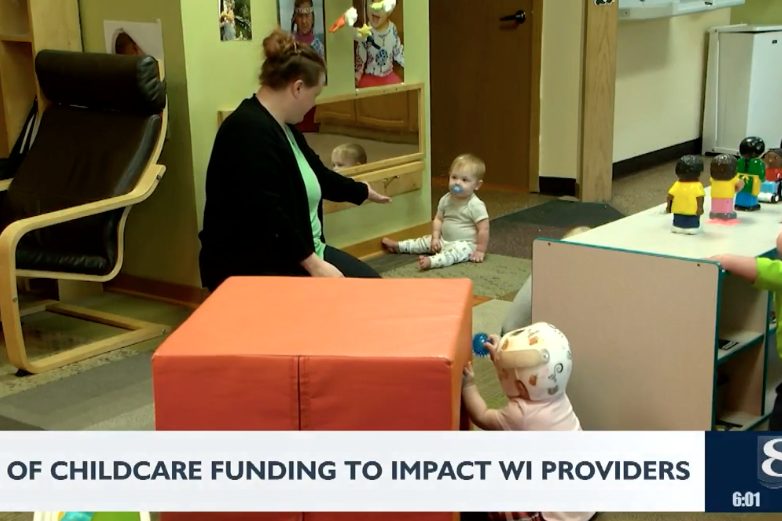
LA CROSSE (WKBT) — Pandemic-era federal childcare stabilization dollars that have helped keep day cares in Wisconsin are set to expire at the end of June, raising concerns among providers and families about higher tuition costs, staffing cuts and potential closures.
The Wisconsin Early Childhood Association (WECA) says the COVID-19 pandemic pushed the state’s child care system to “the brink,” and that the stabilization funding — commonly called “bridge payments” — helped prevent widespread shutdowns while supporting more than 5,000 child care programs statewide.
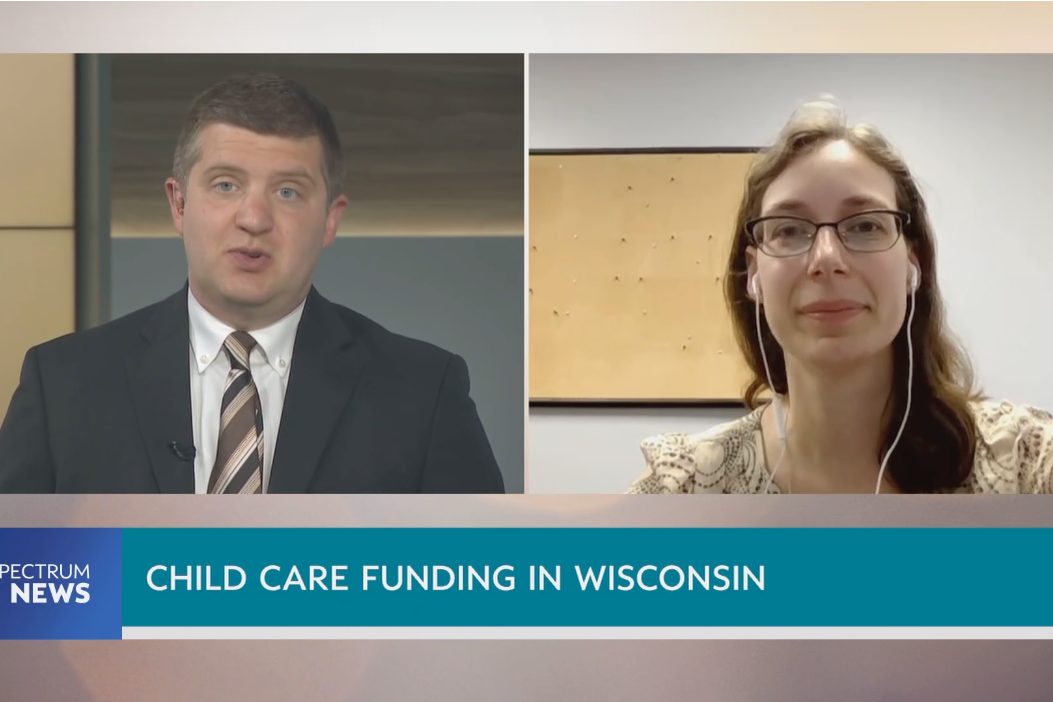
“The childcare bridge payments have been a critical lifeline to childcare programs throughout the time that they’ve been available,” says Audra Wieser Larson, early care and education director at The Parenting Place.
She says the money has allowed providers to cover rising expenses that otherwise would have been passed along to parents. “Because of that they’ve been able to offset some of the costs that would normally be passed on to families.”
A new WECA report warns that without a permanent funding plan, about one in four providers could close or scale back services. For families, that could mean fewer child care options — and higher prices.
WECA estimates most providers expect to raise tuition once the payments end, increasing costs by roughly $1,000 to $2,600 per year for many families.
“Tuition increases will be first,” says Ruth Schmidt, executive director of WECA. “And what we will find is that parents cannot afford the tuition increases and will need to take their children out of care.”
In La Crosse, providers says the funding cliff affects more than tuition — it impacts their ability to retain employees.
“Now they’re just going to take it away,” says Annette Larson, director of Coulee Children’s Center. “What did they expect childcare centers to do? Are we just supposed to now tell the staff, ‘Oh sorry you get no benefits and now we’re lowering your wages’? It doesn’t work like that.”
Advocates says the consequences would ripple beyond individual families and providers, affecting local employers and the broader economy.
“We are already seeing parents making some critical choices when it comes to childcare and entering the workforce,” Wieser Larson says. “We know that childcare is a critical component of effective workforce recruitment and retention and economic development in a community as a whole.”
Schmidt echoed that concern, says child care availability is tied directly to business growth. “It is highly important to our ability to do robust economic development in our state,” she says. “You cannot attract businesses into your communities if you don’t have childcare available.”
WECA says a long-term solution will require action from state lawmakers before families absorb even more of the costs.
“We need the state to consider revenue options, state revenue options that can be put towards childcare,” Schmidt says.
Without a plan, Schmidt says access will become increasingly unequal. “We will increasingly have a system where if you are well off you will be able to purchase care,” she says. “If you are not, you will struggle mightily.”
The stabilization payments are scheduled to end June 30, and Wisconsin lawmakers have not passed a plan to make the funding permanent.