By Kristyn Allen – Originally published on Jun 30, 2026
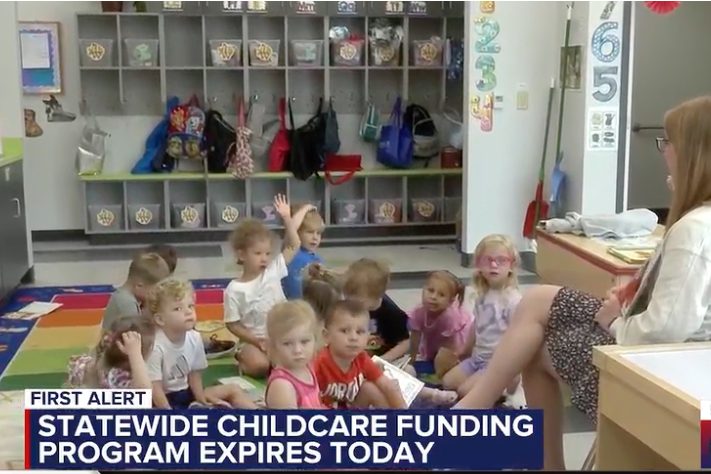
A pandemic-era program that provided funding to child care providers across Wisconsin expired Tuesday, leaving centers scrambling to determine how they will cover costs without the subsidy.
The program, known as Child Care Counts, was created during the COVID-19 pandemic to help keep child care providers operating. When that program ended a year ago, the Child Care Bridge Payment Program took effect, providing more than $110 million to give centers time to prepare as payments wound down. That bridge program officially expired Tuesday.
One in four providers may close
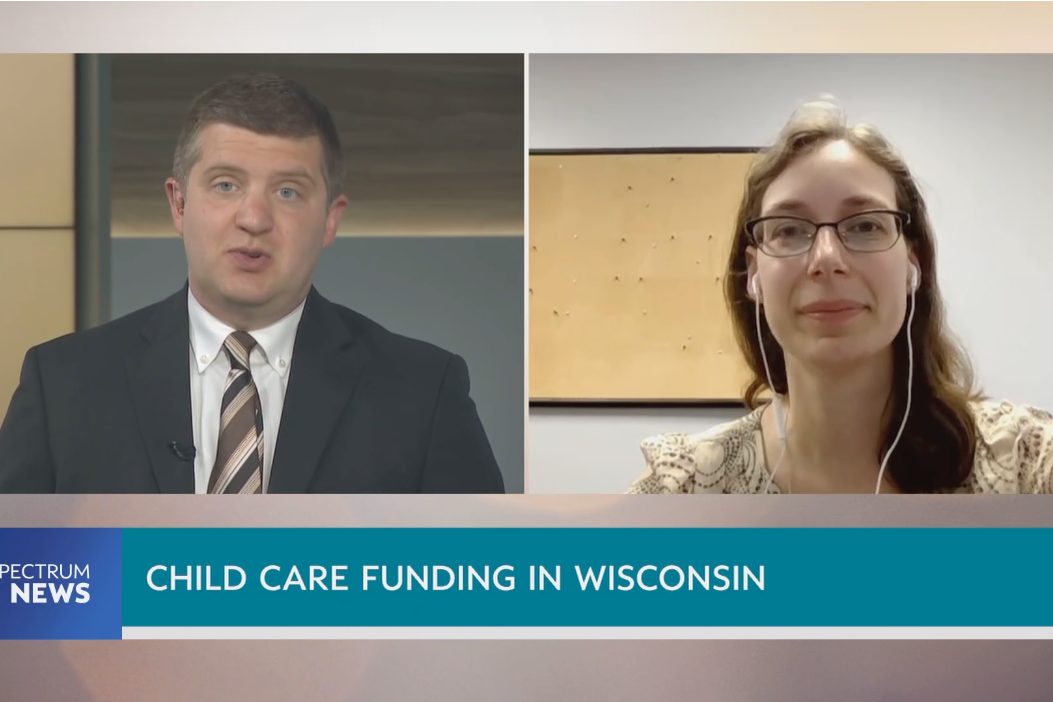
According to a report from the Wisconsin Early Childhood Association, one in four providers say they are likely to close or significantly reduce services because of the Child Care Counts program ending.
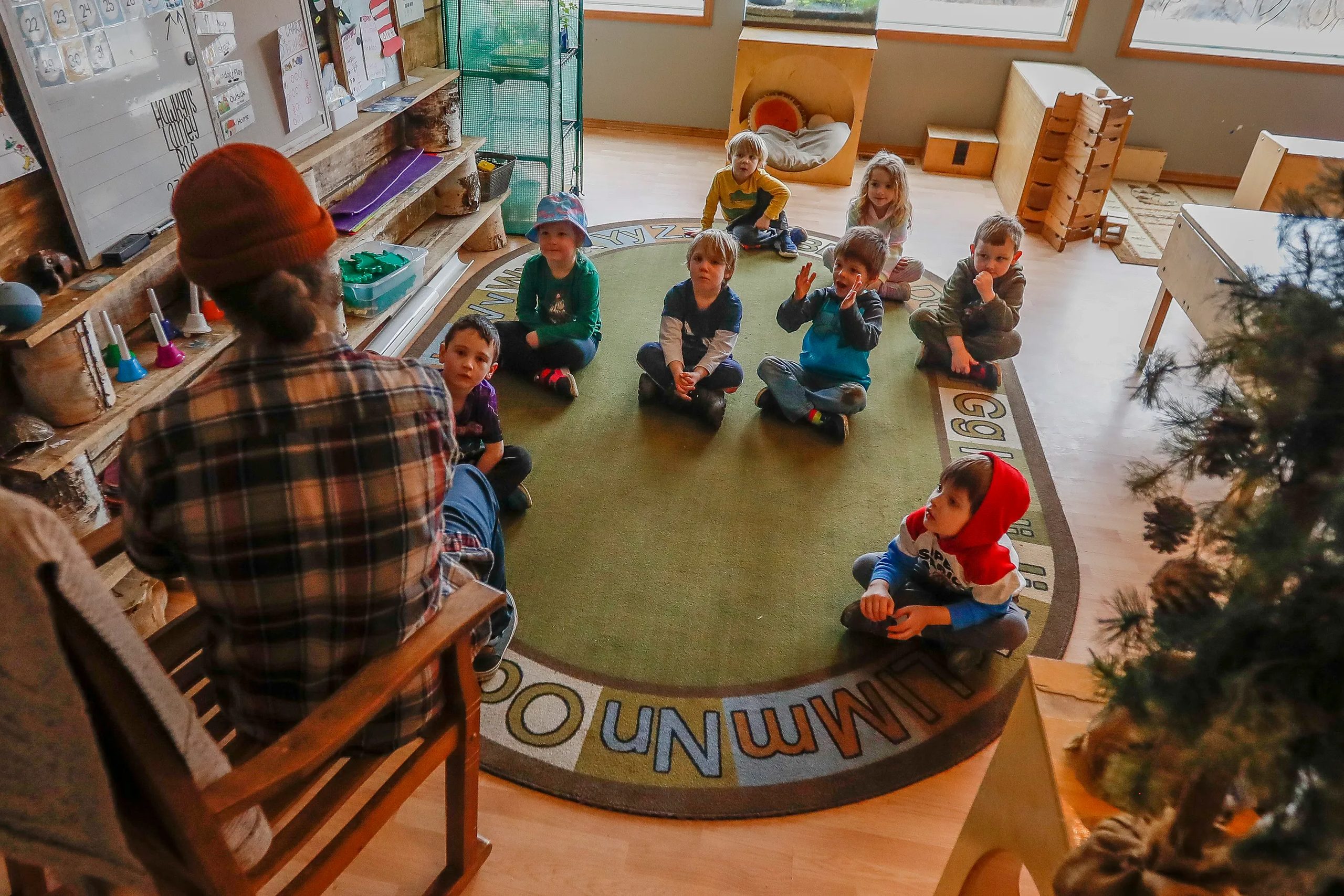
CP, a local nonprofit that provides child care and therapeutic services, is among the providers still working to determine how it will make ends meet without the subsidy. The organization’s director of finance said options on the table include adjusting rates or potentially consolidating services between locations.
Full-time care for an infant or 1-year-old at CP costs about $18,000, which the organization said is comparable to similar centers in the area. A parent who currently sends two children to CP’s program said she pays about $500 a week.
Staff retention a key concern
Nick Long, director of finance at CP, said Child Care Counts was a major factor in the organization’s ability to retain skilled employees.
“It’s been a saving grace to keep quality staff. That’s the biggest impact for us. The loss of staff to competing businesses in the tightening of the labor market in the environment that we had and trying to compete with public education and the aides in the public school district. We’ve hemorrhaged a lot of staff that we train that then go become aides in the public school district because of the higher pay that they’re offered,” Long said.
Long said CP has one advantage as a nonprofit: the ability to fundraise if necessary to temporarily bridge some of the financial gap.
Parent worries about rising costs
Ali Geohegan, a parent who sends two children to CP’s child care program, said she is concerned about what the funding loss could mean for families.
“I am worried that they are going to lose staff, that they are going to raise rates. I’m worried that they’re going to have more children in the room to offset the cost, so yeah it’s definitely a big worry of mine,” Geohegan said.
Lawmakers respond
Several state lawmakers issued statements in response to the program’s expiration.
Rep. Amaad Rivera-Wagner (D-Green Bay), said he supported Gov. Evers’ budget proposal to continue Child Care Counts and criticized the Republican leadership for stripping that funding.
“Child care isn’t a luxury. It’s the foundation that allows parents to work, businesses to hire, and children to thrive. I supported Governor Evers’ budget proposal to continue Child Care Counts, because families across Green Bay and Wisconsin cannot afford to lose this lifeline. Unfortunately, the Republican majority on the Joint Finance Committee chose to strip that funding, despite having the resources to keep it going,” Rivera-Wagner said.
Rivera-Wagner also said the Legislature adjourned months early while families were left without a solution.
Sen. Jamie Wall (D-Green Bay) echoed that sentiment when he wrote, “It’s a real shame that the Legislature left parents and children across Wisconsin without the support they need. Wisconsin businesses also need child care to recruit and retain the workers that drive our economy. We can do better, and I’ll continue to work to get families affordable and accessible child care.”
Rep. Ben Franklin (R-De Pere) said he supported a bipartisan budget that increased funding for child care.
“I supported a bipartisan budget, negotiated with Governor Evers, that increased funding for childcare. I also fought for reforms to our childcare system that expand access to childcare slots, increase eligibility and childcare payments for families with the most need, and create a new program that allows parents to choose the best place for their child to attend 4K, all of which were part of the bipartisan state budget,” Franklin said.
Child care providers are encouraging people to contact their local lawmakers and urge them to find a solution.