By Sachin Shivaram and Ruth Schmidt – Originally published on Mar 15, 2025
Conversations with working parents often reveal a stark reality: Our child care system is broken. One Wisconsin Aluminum Foundry employee, for example, shared how he shuffles his daughter among different care arrangements so he could keep his job. He is a committed father and a valued member of the team, yet the lack of consistent, affordable child care has put both him and his daughter at a disadvantage. He needed child care that is stable and enriching. And she needs it more than him.
Our workforce needs it, too.
Wisconsin is at an inflection point. The child care crisis affects parents, employers and communities alike, with profound economic and societal consequences. While businesses are stepping up where they can, this is not a challenge they can solve alone. A sustainable solution demands significant, ongoing state investment.
Child care is not a luxury; it is essential economic infrastructure. Without it, parents are sidelined from the workforce, businesses lose productivity and industries falter. The cascading effects are staggering: billions of dollars in lost economic opportunity each year.
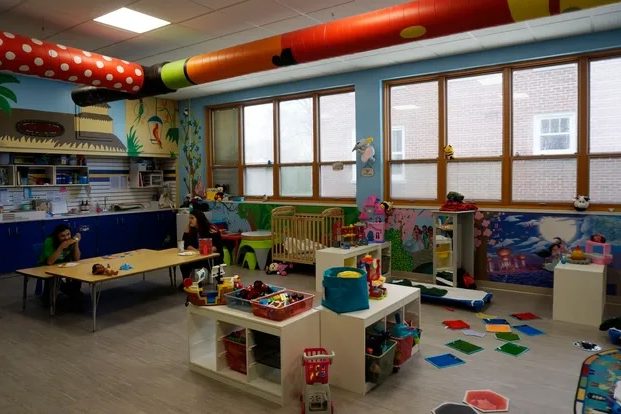
But this issue transcends dollars and cents. Child care is a long-term investment in human potential. During the first three years of life, a child’s brain forms more neural connections than at any other time. Skilled, dedicated child care providers nurture this development, laying the groundwork for lifelong learning, socialization and achievement. This is not babysitting — it is the foundation of society’s future.
Imagine if we valued early care as much as we do K-12 education. Imagine if our first thought — not our afterthought — was how critical these early years are for children and society. It’s long past time for that shift.
Business leaders, parents and educators alike have long believed that the free market could address the child care crisis with minimal public support. Experience has proven otherwise. Band-Aid solutions and short-term fixes are not enough. We need Wisconsin’s Legislature to take bold, decisive action to fund and stabilize the child care sector. This is a non-negotiable investment in our children, our families and our economic future.
Organizations like Wisconsin Early Childhood Association have been championing this cause and clear case for investment for decades. It’s time we listen to the broad range of voices calling for support for early care and education, including providers, parents, employers, community leaders and many elected officials.
We are urging business leaders from across Wisconsin to add their voices to the call for state investment — in fact, many are starting to add their businesses to a sign-on letter that will urge state legislators to take the action that’s long overdue.
Let’s recognize and celebrate the vital role child care providers play in our communities. Let’s commit to building a system that works for everyone: parents, children, providers and businesses. And let’s give Wisconsin’s children the support they need to thrive. Employers, will you join fellow business leaders in telling the legislators it’s time to invest?
The future of young children and their families — and ours — depend on it.
Sachin Shivaram is CEO of Wisconsin Aluminum Foundry, a Manitowoc-based company that manufactures aluminum and copper-based alloy castings for a variety of industries. Ruth Schmidt is executive director of Wisconsin Early Childhood Association, a state nonprofit organization that administers programs and advocates for early childhood educators and programs across Wisconsin.